SEO and digital marketing for FMCG brands and grocery retailers
We work on how consumer goods brands and supermarket chains show up in Google and in AI answers: the product catalogue, every store on the map, and the brand.
For consumer brands and for grocery chains
This page is for two kinds of company. On one side, manufacturers of everyday consumer goods such as food, drinks or household products. On the other, supermarket chains with many stores and a large range.
Their problems look alike. Thousands of products don't show up in search because their pages can't be indexed or have no text of their own. Hundreds of stores each have a Google Maps listing, with opening hours, an address and reviews that someone has to keep up to date. And visit figures mix two different audiences: people who buy or read up on the website, and people who only want the nearest store. Counted together, you can't tell what's working.
If you sell non-food goods or run an online shop, our retail page is the better fit. For restaurants and delivery, see food and restaurants.
What we do for FMCG brands and grocery retailers
SEO for large catalogues
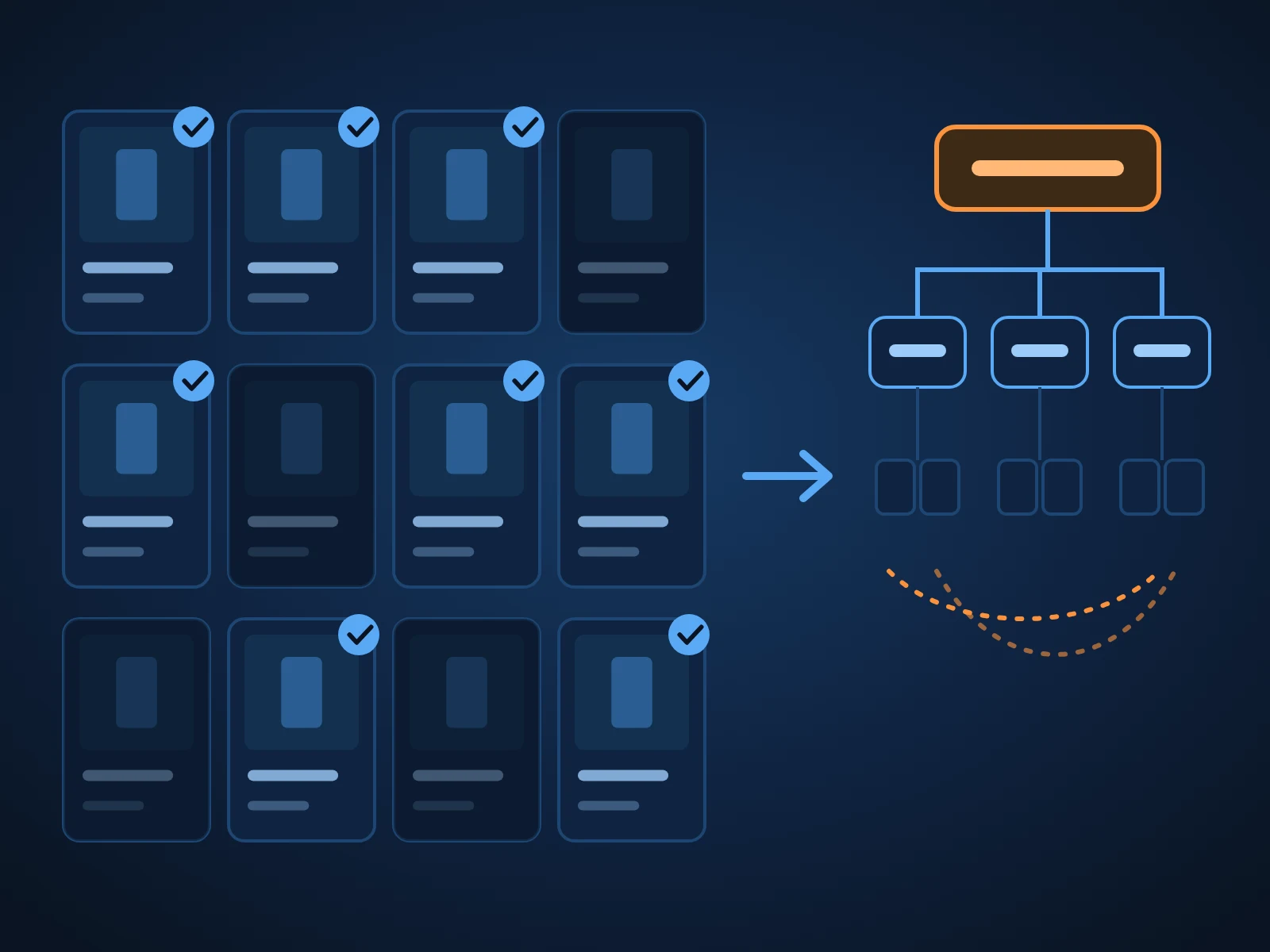
We check which product pages Google can index and which it can't, and why. We decide which products need a page with their own text, how they're grouped into categories and how they link to each other, with specifications the tech team can apply at scale.
Local visibility for store networks
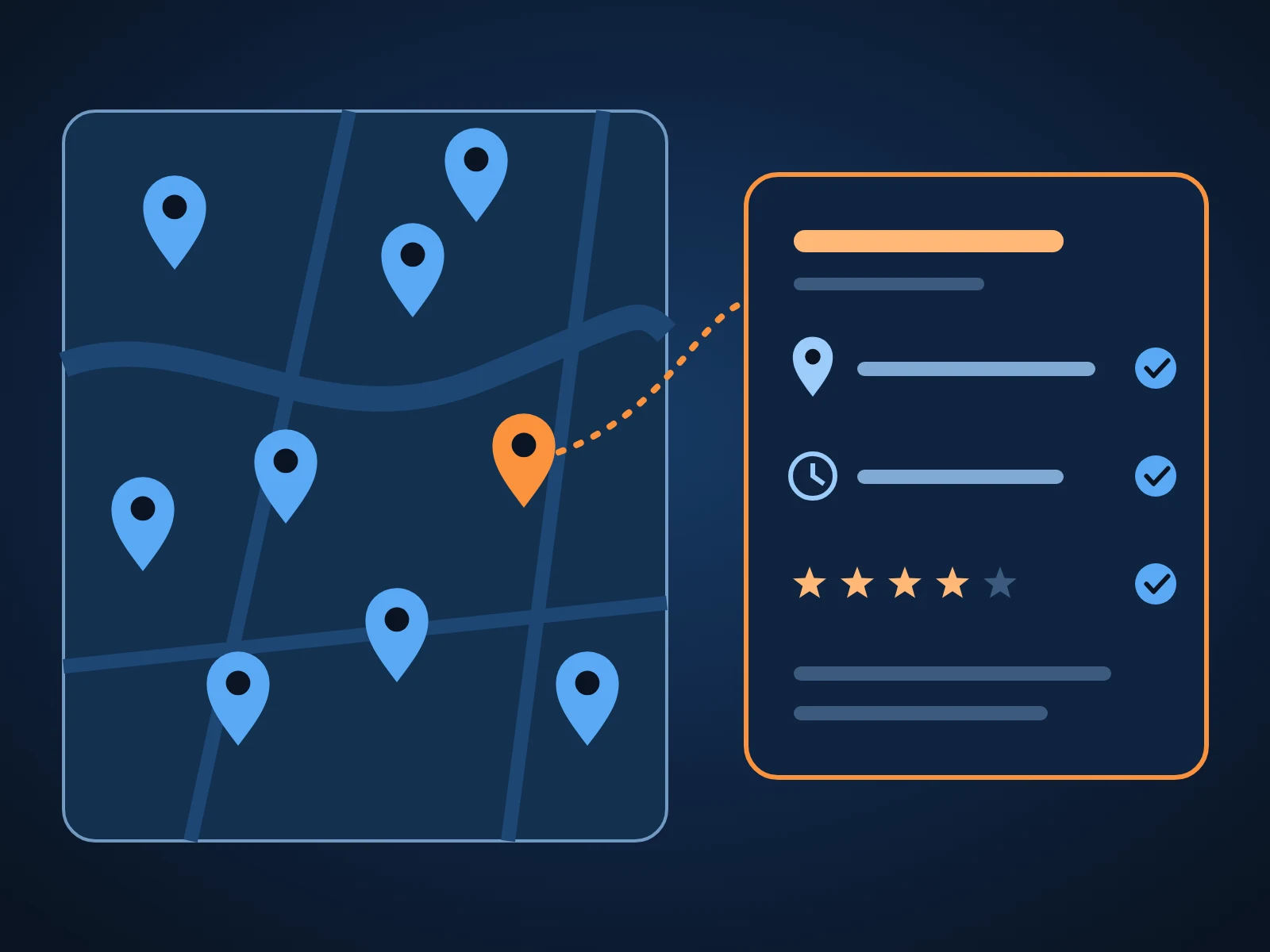
We sort out the Google Business Profile listings of every store and the store pages on the website, so each one shows correct details and can be found in nearby searches.
Content on range and brand
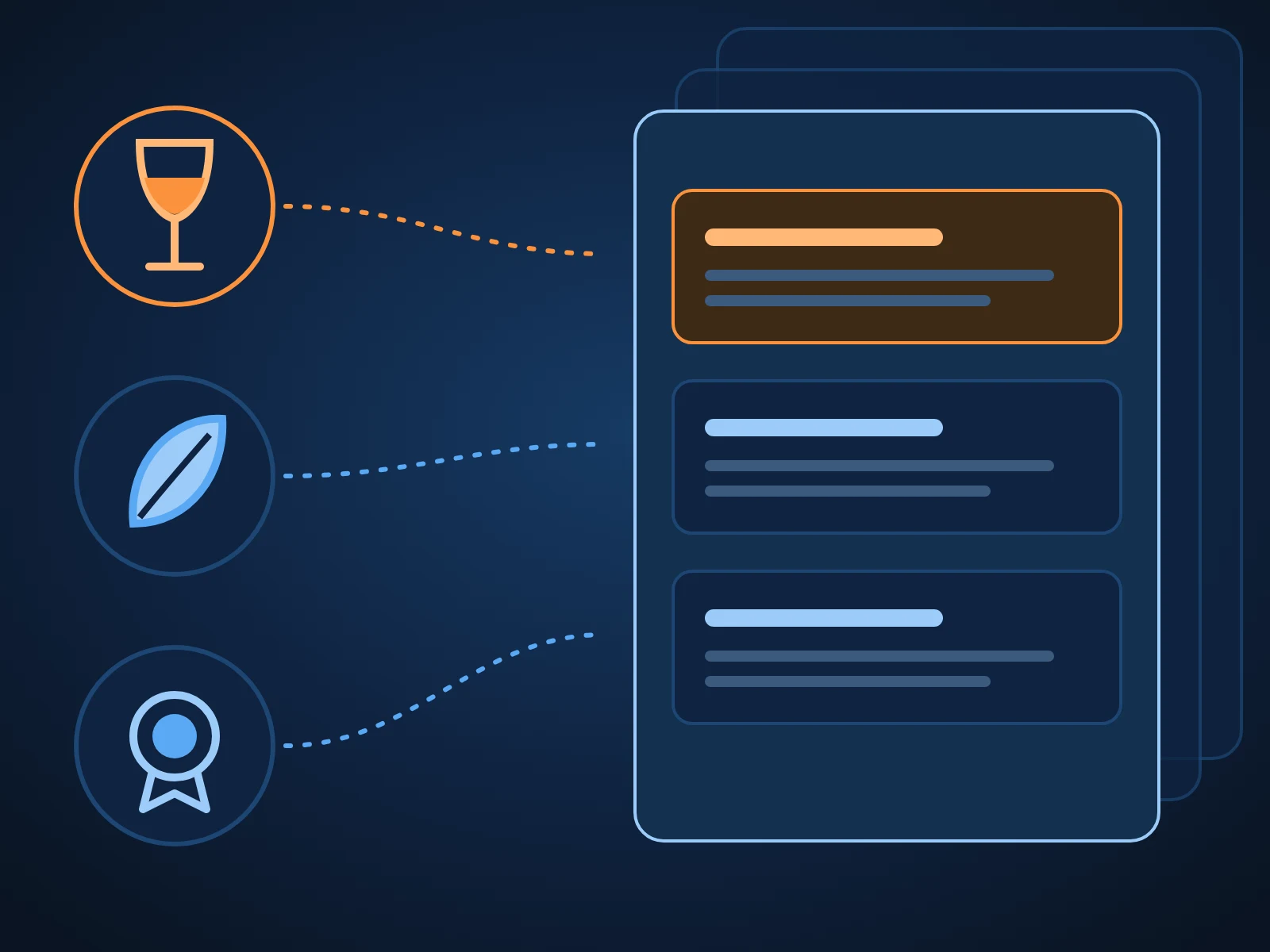
We write and structure content about what you sell and what sets you apart, for example wine, fresh produce or quality, in each market's language.
AI visibility by market
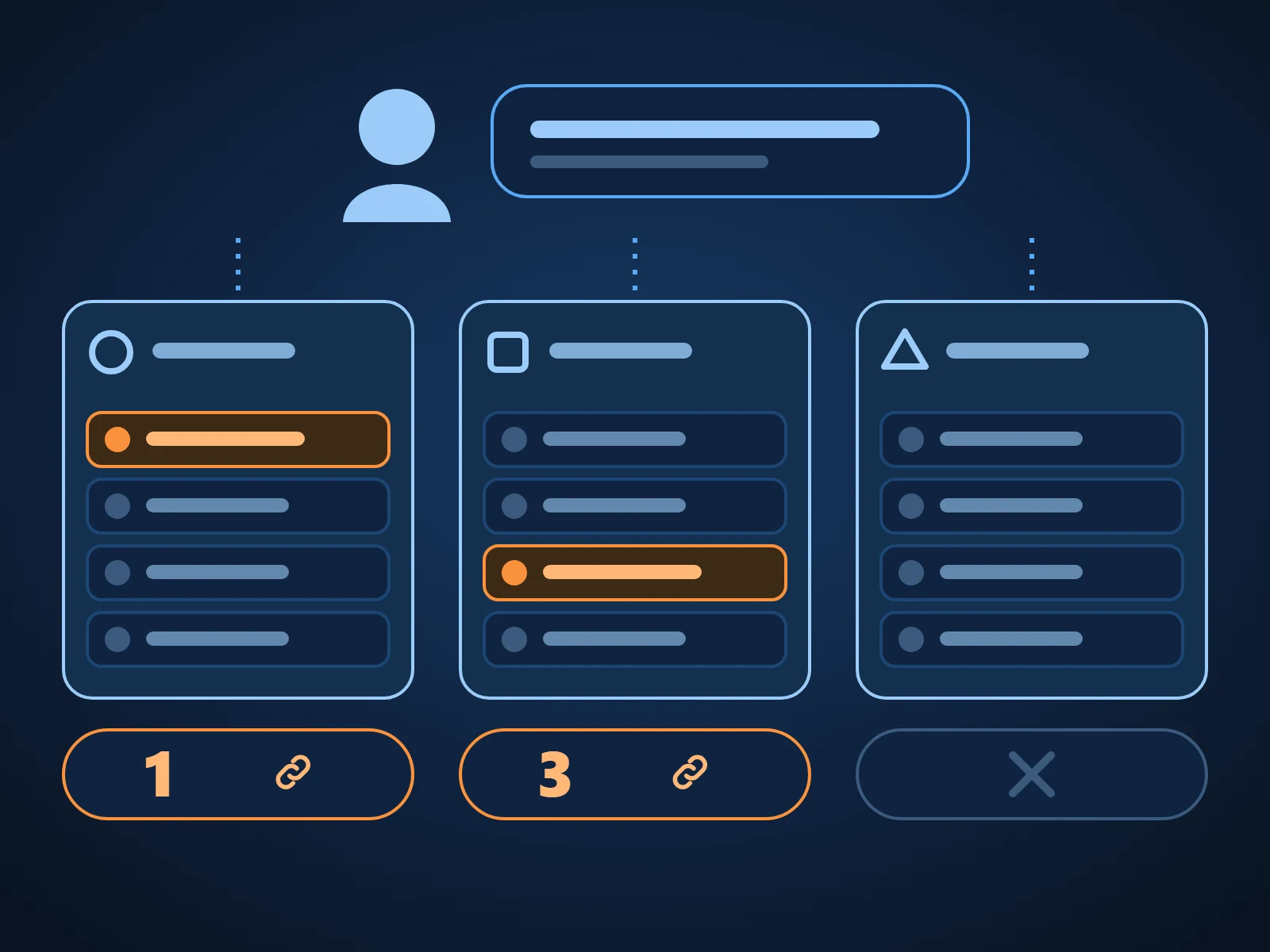
Our tracker asks ChatGPT and other AI assistants, through their programming interfaces, the questions your customers ask. For each answer we see whether your brand appears, in which position, whether your site is linked and which of the competitors we've agreed with you show up. The measurement repeats weekly or more often, depending on the plan.
A case from the sector
What AI visibility looks like
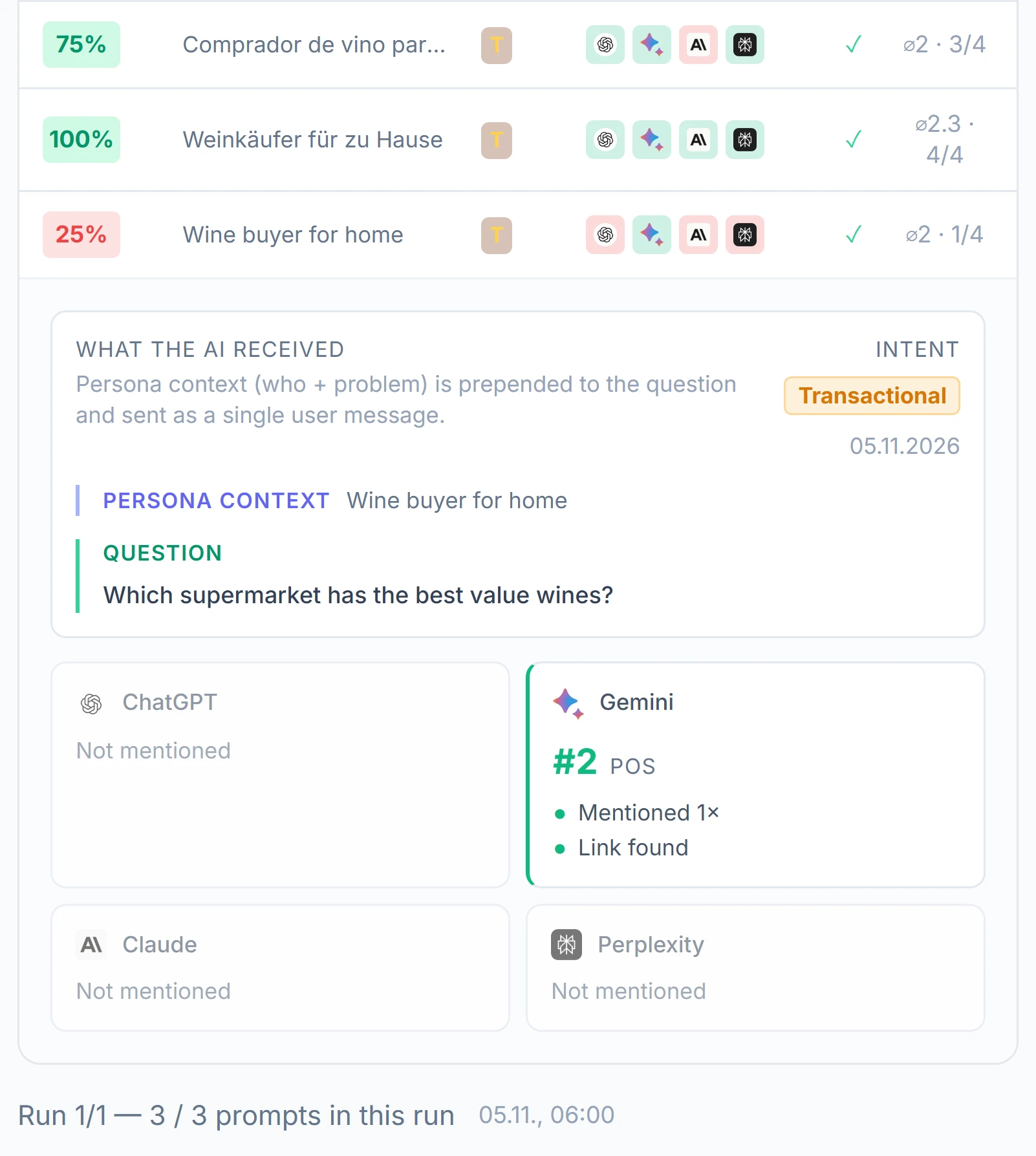
The image shows our tracker's real interface with sample data, not a client's. The sample question is "Which supermarket has the best value wines?". For each answer you can see whether it names the brand, in which position and whether it links to the brand's site. We measure what the model answers through its programming interface, not what each user sees in the app.
How we work
Measure
We start with an audit of the catalogue, the store listings and the tracking, plus a first measurement of AI visibility in the chosen markets.
Prioritise
Together with your team, we rank the changes by what they can move and what they cost.
Implement
We work with your in-house team, your agency or your web provider, and hand over specifications they can apply directly.
Report
A report shows what has changed in organic search, in the stores and, depending on the project, in AI visibility.
Further reading
Frequently asked questions
Shall we talk about your brand or chain?
Tell us what you sell, in how many stores and in which markets.

Manuel Riveiro
CEO & Digital Strategist