Between August 1 and August 6, 2026, Google's search results saw a sharp spike in ranking movement. It started on Saturday, August 1, with a first peak on August 3. On August 5 and 6, the shift intensified again within the SEO community. Google hasn't confirmed anything so far, and going by the pattern of the past few months, it may never do so.
A Summer Full of Unconfirmed Spikes
This week isn't an isolated case. A wave on July 18 and 19 lingered through most of the following week, and another unconfirmed spike followed on July 24. The last officially confirmed update from Google goes further back: the June 2026 spam update, which ran from June 14 to 26. Before that came the May 2026 core update (May 21 to June 2). The gap between confirmed and unconfirmed events has grown noticeably wider, and Google typically doesn't comment on unconfirmed phases like this one at all.
The Tools Disagree
Part of the SEO community reported clear movement this week: noticeable ranking swings, active discussion on the usual forums, a spike in one well-known industry aggregator's chart. That's one side of the picture.
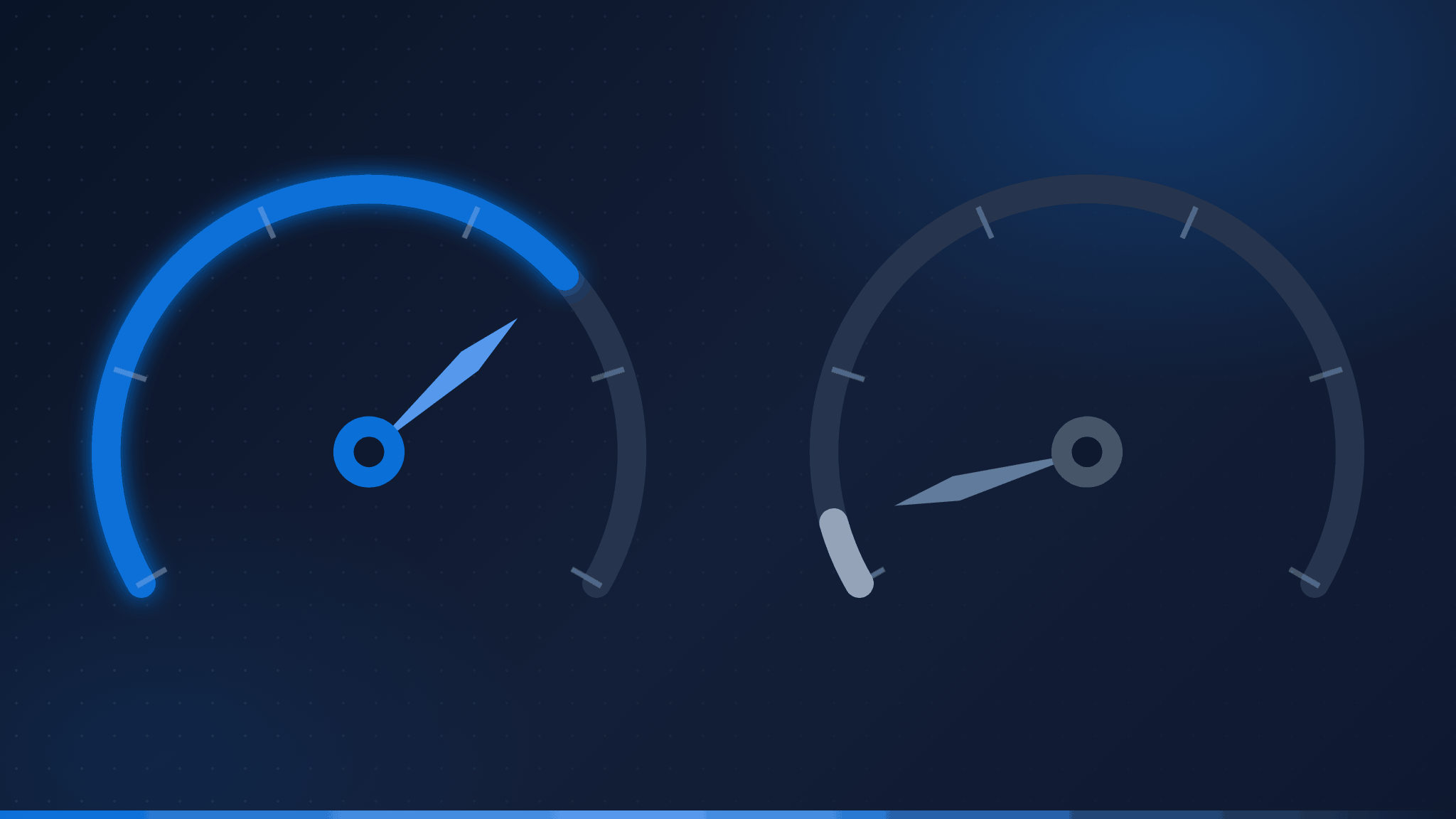
A major indicator tells a different story for the same window. Semrush's Sensor, in the US and mobile market cut, sat at 0.6 out of 10 on August 6, a reading its own model classifies as "low." The tool itself described the day as too quiet. The 30-day curve has stayed flat between 0.6 and 0.7 since late July. The only clear spike in that window falls around July 17–19, at a value of roughly 2 – in the August 1–6 window, that same sensor shows no comparable movement. The fact that it clearly picks up the July wave makes its silence in August more telling, not less.
There's a further, telling detail Semrush discloses about this sensor itself: the values were recently recalibrated to reflect shifts in baseline volatility, so the figures shown now can come out lower than before. A tool changed its own scale mid-period. That's the strongest reason why a single dashboard reading doesn't count as proof in this phase: it comes straight from the vendor itself.
When the Gauges Disagree, None of Them Is Proof
Rank-tracking and visibility tools don't measure your site directly. They extrapolate an overall visibility figure from a sample drawn from a fixed keyword set, and each tool does that with its own keyword set, region, and device type. In a week of industry-wide movement, those extrapolations can diverge sharply, exactly as the gap between general industry sentiment and the calm Semrush Sensor shows right now. No reliable conclusion about your own site follows from that, in either direction.
What This Means for Your Business
If you suspect a drop, check Google Search Console first. It's the only source that comes directly from Google rather than running through a sample-based extrapolation that has just proven inconsistent. Looking at a longer window instead of a single day also helps separate a real shift from short-term noise.
And here's the most important part: in a week of unconfirmed, inconsistently reported volatility, this is the worst possible time for hasty changes to your site. Rewriting content, changing metadata, or adjusting structure because one dashboard moved risks reacting to a signal that will disappear on its own within days, or making worse a situation that had nothing to do with your site in the first place.
Wait, cross-check against Search Console, then act: in days like these, that's the sounder strategy than trying to build a quick response on a data point that has just been contradicted.
Sources
- Search Engine Roundtable: Google Search Ranking Volatility Hits August 1st & Heats Up Into August 3rd
- Search Engine Roundtable: Google Search Ranking Volatility Heats Up Into August 5th & 6th
- Semrush Sensor (screenshot, August 6, 2026, US / mobile market cut, internal documentation)