
For content to be relevant, it must not only meet user demands and needs. If we want Google to reward it with greater visibility, it is essential to understand internet users' search habits and build our strategy around them. This is only achieved by knowing which keywords they use to access content, allowing us to optimise text and images (and, consequently, win over Google's bots).
However, this requirement raises the million-dollar question: which applications are truly effective for obtaining this information? And more importantly: do you have to pay to use them?
Although the market is full of highly effective resources that require payment, B2 Performance brings you a selection of 12 free tools for finding keywords, perfect for any SEO strategy. Pay attention:
1) LSIGraph
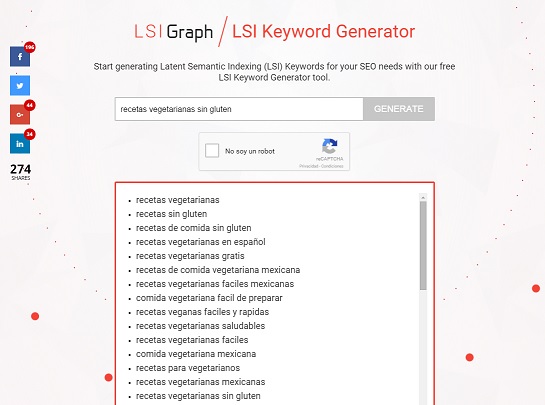
This first suggestion will be very useful for generating latent semantic indexing (LSI) keywords. Without getting too technical, this is particularly interesting for any SEO strategy, as Google's latest algorithm, Hummingbird, considers not only the presence of keywords but also the meaning of phrases.
One of LSIGraph's strengths is its simplicity, making it easy to use even for those new to the world of SEO. Its operation is very straightforward: simply type the desired keyword into the search box. This will automatically generate a list of related keywords.
2) Übersuggest
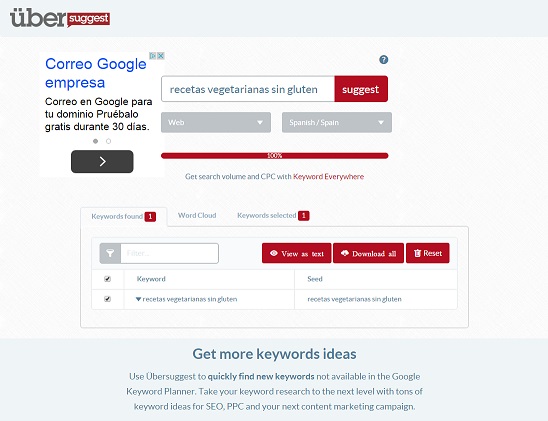
This tool is as intuitive as it is useful. Just enter the word you are interested in and click the search button; immediately, Übersuggest will show you all the related words that Google offers in its autocomplete option for the term in question. Although it only works with the Californian giant's database, it is an excellent solution for obtaining longtail keywords.
3) Soovle
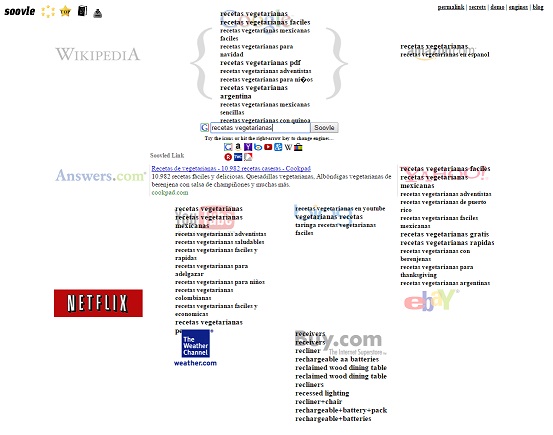
Although its functionality is similar to Übersuggest, Soovle bases its suggestions on results from different search engines, such as Bing, YouTube, Yahoo!, Wikipedia, and, of course, Google. Its aesthetic may be far from attractive, but it is still a resource worth keeping in mind. Additionally, it offers configuration options, which will help you achieve more tailored results.
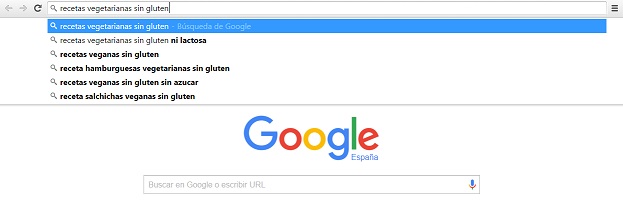
This is undoubtedly the quickest way to get some longtail keyword ideas. When you enter any term into Google's search engine, it will suggest possible related concepts through its autocomplete function.
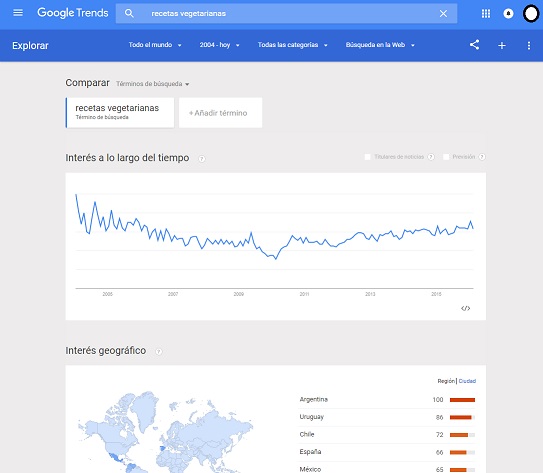
Its name leaves no room for doubt: Google Trends provides search trends for a keyword over specific periods. This allows us to understand how users utilise LSI keywords within a specific geographical area.
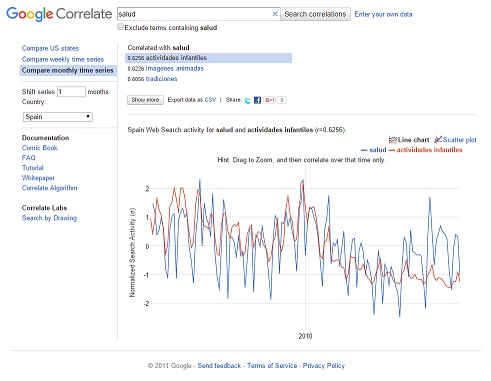
Less known than its sister Google Trends, this tool not only provides words related to what the user enters but also related concepts. A definite advantage when it comes to improving semantic SEO.
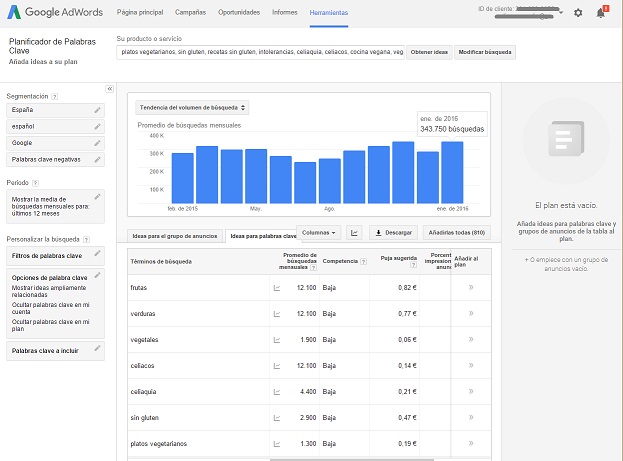
The SEM tool par excellence is an indispensable ally for creating optimised content. By entering one or more keywords in the Tools / Keyword Planner section, you will see the number of monthly searches each of them records in the geographical area and language you have previously selected. You can also check the cost per click for sponsored links and the level of competition in bids for each keyword. To make managing this information easier, you have the option to download the results in an Excel document or Google Drive.
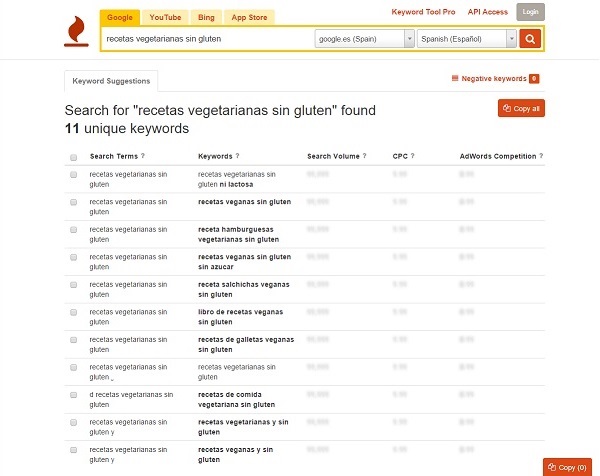
8) Keyword Tool
This is probably the best alternative to Übersuggest or Google. With it, you will discover which keywords related to your topic are most frequently entered by users into Google's search engine. For each query you make, this platform will provide you with over 750 results. However, if you want to know other data (such as the search volume for each keyword, the cost per click, or the number of competitors bidding for the keywords), you will need to subscribe, as this information is not available in the free version.
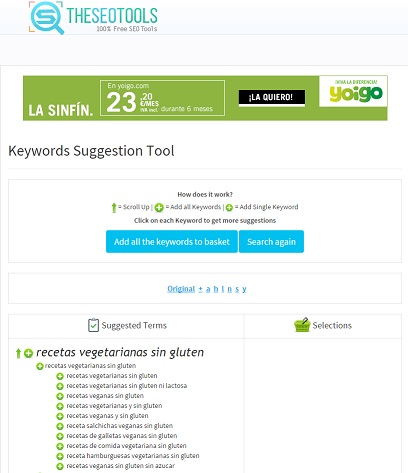
Created by TheSEOTools, this will help you get suggestions based on Google searches. As in previous cases, its use is not difficult: after entering the desired keyword, you will get numerous suggestions perfect for your content creation strategy and link building actions.
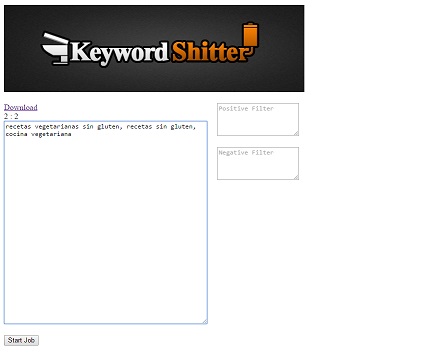
10) Keyword Shitter
Although, a priori, its name may convey anything but seriousness (not to mention the web design), it is one of the best tools for generating longtail keywords. Additionally, the results can be downloaded in a .txt file, which streamlines the generation of internal reports or reports for company clients.
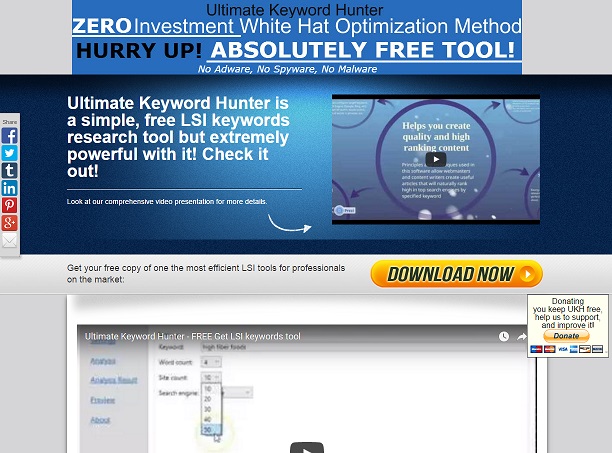
This tool makes it easy to find LSI keywords. Using this resource, you will find keywords based on Google's best-ranking pages, which will undoubtedly be of great help in generating valuable and relevant content. Remember that you must install this application on your computer to use it.
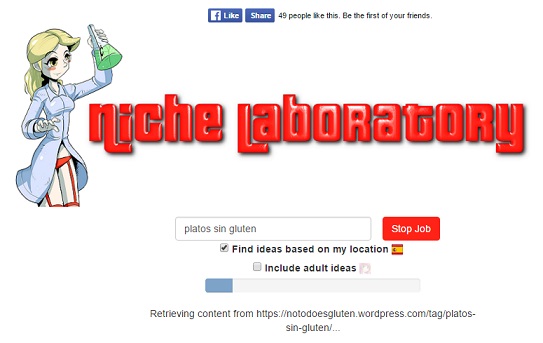
12) Niche Laboratory
This is probably one of the most useful tools. Not in vain, it provides keyword suggestions, website rankings, web page titles, and meta descriptions, among other relevant data for any SEO action. These functionalities make Niche Laboratory a very effective solution for finding the best matches and knowing which keywords advertisers are bidding on in Google AdWords.
Bonus track. Although this is not a free service, we highly recommend OnPage, one of our favourite resources. With this platform, you will not only get a good number of suggested keywords: you will also receive reports on already created texts.
If you would like more information about other similar tools and how to use them effectively, do not hesitate to contact us or call us without obligation on 93 532 93 78. From our online marketing agency in Barcelona, B2 Performance will advise you on how to get the most out of your SEO strategy. We look forward to hearing from you!