

Skip to content
9 min lectura SEO

12 Free Keyword Research Tools

12 Free Keyword Research Tools

The 12 Best Free Keyword Research Tools 🔎


To be relevant, content must meet user demands and needs. If we want Google to reward it with greater visibility, we must understand search habits and build our strategy around them. This means knowing which keywords users employ to access content. This allows us to optimise text and images, earning favour with the Palo Alto bots.

This requirement raises a key question: which applications effectively gather this information? More importantly: do you have to pay for them?

The market abounds with highly effective resources that require payment. However, B2 Performance brings you a selection of 12 free keyword research tools, perfect for any SEO strategy. Pay attention:

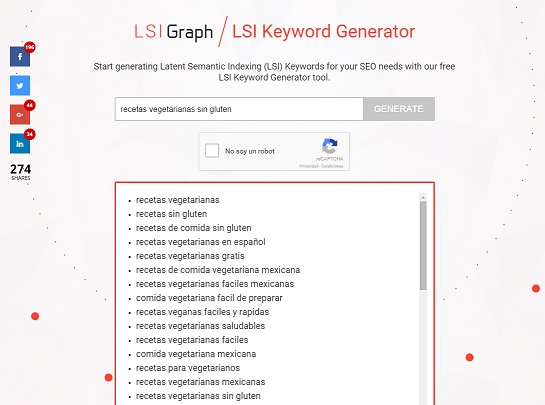
LSIGraph

This first suggestion generates latent semantic indexing (LSI) keywords. This is particularly interesting for any SEO strategy. Google's latest algorithm, Hummingbird, considers not only keyword presence but also phrase meaning.

One of LSI Graph's strengths is its simplicity. This makes it easy to use, even for SEO beginners. Its operation is straightforward: type the desired keyword into the search box to automatically generate a list of related keywords.

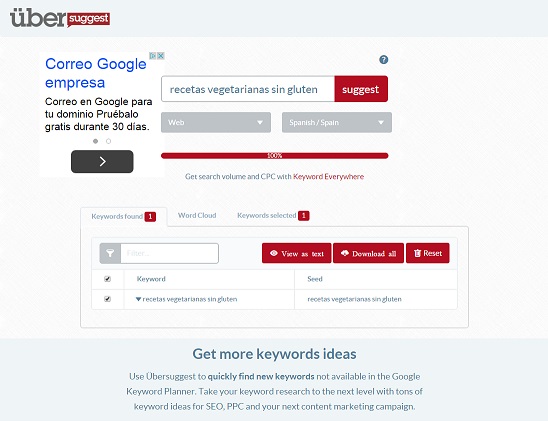
Ubersuggest

Tip: Check your Google Search Console weekly. Pages with impressions but no clicks are immediate opportunities.

This tool is intuitive and useful. Simply enter the keyword you are interested in and click the search button. Immediately, Ubersuggest will show you all related keywords that Google offers in its autocomplete option for the term in question. Although it only works with Google's database, it is an excellent solution for obtaining longtail keywords.


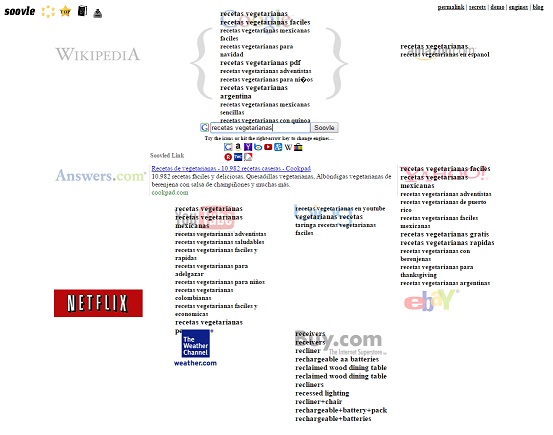
Soovle

Although its functionality is similar to Ubersuggest, Soovle bases its suggestions on results from various search engines, including Bing, YouTube, Yahoo!, Wikipedia, and, of course, Google. Its aesthetic may not be appealing, but it's a useful resource. It also offers configuration options for more tailored results.

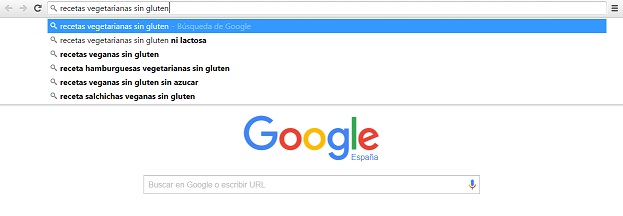
Google Autocomplete

This is the fastest way to get longtail keyword ideas. By entering any term into Google's search engine, it will suggest possible related concepts through its autocomplete feature.

Google Trends

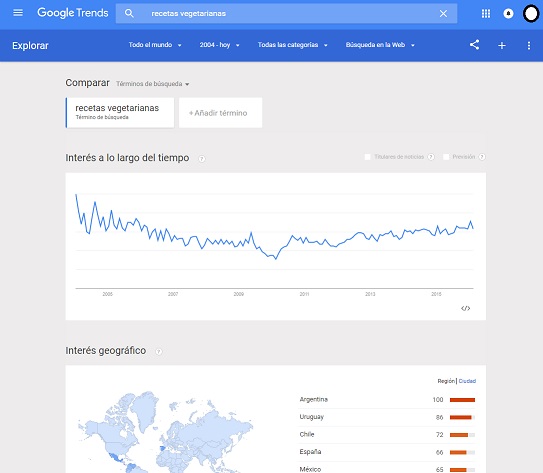
Its name says it all: Google Trends provides search trends for a keyword over specific periods. This allows us to understand how users employ LSI keywords within a particular geographical area.

Google Correlate

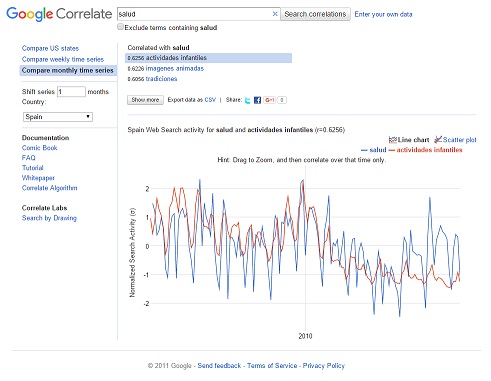
Less known than its sister Google Trends, this tool provides not only keywords related to the user's input but also related concepts. An advantage for improving semantic SEO.

Google AdWords

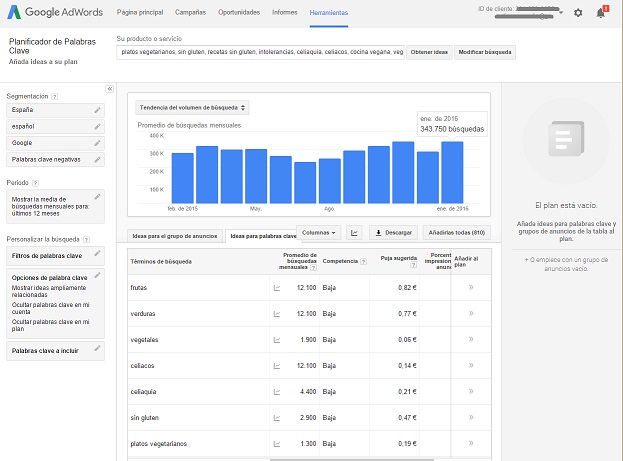
The SEM tool par excellence is an indispensable ally for creating optimised content. By entering one or more keywords in the Tools / Keyword Planner section, you will see the number of monthly searches each keyword registers in your selected geographical area and language. You can also check the cost per click for sponsored links and the level of competition for each keyword. To simplify information management, you can download the results as an Excel document or to Google Drive.

Keyword Tool

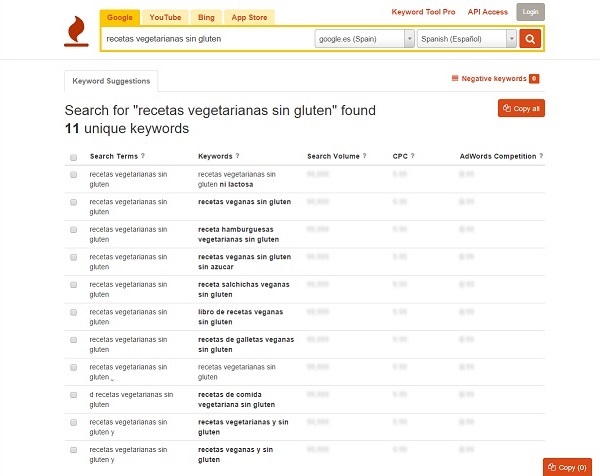
This is probably the best alternative to Ubersuggest or Google. With it, you will discover which keywords related to your topic are most searched by users on Google. For each query, this platform will provide you with more than 750 results. However, if you want to know other data (such as the search volume of each keyword, the cost per click, or the number of competitors bidding for keywords), you will need to subscribe, as this information is not available in the free version.

Keyword Suggestion Tool

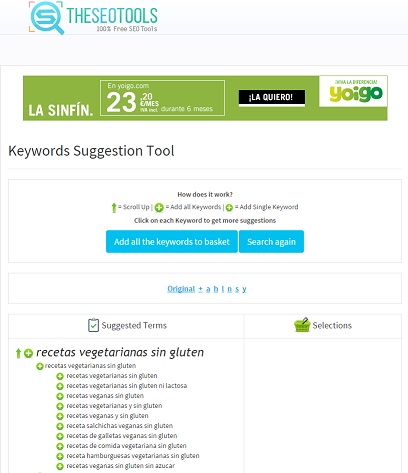
Created by TheSEOTools, it will help you get suggestions based on Google searches. Its use is simple: after entering your desired keyword, you will get numerous suggestions perfect for your content creation strategy and your backlink actions.

Keyword Shitter

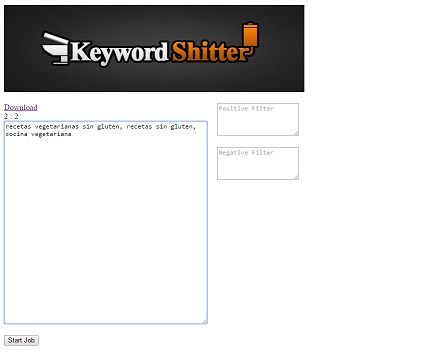
Despite its name (and web design) suggesting a lack of seriousness, it is one of the best tools for generating longtail keywords. Additionally, results can be downloaded as a .txt file, which speeds up the generation of internal reports or reports for company clients.

Niche Laboratory

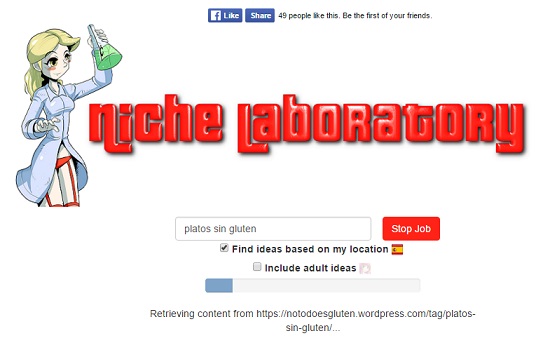
This is one of the most useful tools. It provides keyword suggestions, website rankings, web page titles, and Meta Descriptions, among other relevant data for any SEO action. These functionalities make Niche Laboratory a very effective solution for finding the best matches and knowing which keywords advertisers are bidding on in Google AdWords.

Bonus track. Although not a free service, we recommend OnPage, one of our favourite resources. With this platform, you will not only get a good number of suggested keywords but also reports on already created texts.

They already trust us

Satisfied Clients

Over 15 years of experience

First consultation free!

Tackle the crisis with your company's Digitalisation and the best SEO strategy.


Frequently Asked Questions

Keyword research is the first step of any successful SEO campaign. It helps identify keywords people search for online to find your business.

You can then incorporate these keywords into your website in places like page titles, Meta Descriptions, and body text. This helps improve your ranking in search results, ensuring your business appears in the most relevant searches. But how do you choose which keywords to target?

First, consider each level of the buying funnel. This will help you choose keywords and write content that reaches customers at each level. Then, create a list of buying funnel buckets into which keywords fall.

For example, you can categorise your keywords based on informational and transactional searches. This provides a roadmap for your keyword research and ensures your website has a balance of different content types. Informational or top-of-funnel queries are often common questions people have about your industry.

If people are looking for a new dentist, they might want to know "What to look for when choosing a dentist?" or "Which dentist accepts my insurance?". These phrases probably won't generate much direct revenue, but they can raise brand awareness among potential customers and help increase traffic to your website. Sites like KeywordsFX and Quora are excellent places to discover keywords for informational searches because topics and suggestions are entirely user-driven.

Transactional searches are performed by people who have already done their research and are ready to buy. This category generates money. So, if you're not targeting the keywords this group is looking for, start doing so.

Google's Keyword Planner is a great tool for choosing keywords for this group of searchers. Additionally, you can use Google's estimated cost per click to determine the purchase intent and long-term value of each click. If you don't have access to the keyword planner, other tools like SEMrush, Keyword Tool, and BuzzSumo are excellent options.

These tools can help you discover the keywords people search for when they are ready to buy from your business. Keywords Everywhere is another free tool that allows you to enter keywords and see key metrics like search volume, cost per click, and competition level. This is very valuable because it allows you to determine the value of each keyword or phrase you target.

With Keywords Everywhere, you can bulk upload keywords and then export the information to inform your content strategy.

When choosing keywords, also consider longtail ones. Today, there are so many major players and international brands in the SEO game that it can be difficult to remain competitive in search results. Longtail keywords help.

Longtail keywords are specific and detailed search queries. For example, if you are a dentist, you might want to target the phrase "best family dentist in your location" instead of just "dentist" or "family dentistry". Longtail keywords usually have much lower search volume than short, broad keywords. But they also have much less competition and higher Conversion Rates.

This is because longtail keywords demonstrate a much more specific search intent. You can use the same keyword tools we mentioned before to find longtail keywords. You can even use Google's autocomplete feature to learn more about the longtail phrases people actually search for online.

Start by entering a generic keyword into Google search. Following our dentist example, you can type the phrase "dental services". Then, instead of hitting enter, take a look at Google's autocomplete results. This will give you a good idea of some longer-tail keywords you can target to help people find your practice online.

Digital marketing agency with headquarters in Germany and two offices in Spain. Since 2006, we have helped our clients grow digitally. We have a team of digital marketing experts who are native speakers of various languages. From our offices in Spain, we work internationally, hand in hand with our clients.

We put our resources and experience at your company's service, to help you design and implement innovative and profitable strategies. Do not hesitate to contact us. 

C/ Rosselló, 188 4°C, 08008 Barcelona


+34 935 329 378

[email protected]

© by B2 Performance. All rights reserved

¿Necesitas ayuda con tu estrategia?

Nuestro equipo analiza tu situación y te propone un plan personalizado. Sin compromiso.

Solicitar consulta gratuita

Manuel Riveiro

Manuel Riveiro

CEO & Digital Strategist — ZDS

20+ años de experiencia en SEO, performance marketing y herramientas de IA. Fundador de ZDS y B2 Performance, con sede en Barcelona y Herdecke.